
Prepaid eSIM Plans Explained: How to Choose, Activate, and Save on Global Data
What eSIM South Africa if you could activate a mobile data plan without ever touching a physical SIM card? A prepaid eSIM is a digital SIM embedded directly in your device, allowing you to purchase and download a cellular plan over the internet in minutes. Once activated, it connects you to a local network, offering instant connectivity, flexible data packages, and the freedom to switch carriers without swapping cards. Simply scan a QR code or use an app to install the profile, and you’re ready to browse—making it the **most convenient way to stay online while traveling.
Why a Prepaid eSIM Beats a Traditional Travel SIM
A prepaid eSIM beats a traditional travel SIM because you skip the physical swap entirely—no fiddling with tiny trays or risking your primary SIM. You can buy and install it before you even leave home, so you’re connected the moment you land. Unlike a plastic card, a prepaid eSIM lets you scan a QR code and activate in minutes, then store multiple profiles on your phone for switching countries on the fly. That’s a massive win when you’re hopping borders and don’t want to hunt down a local vendor. Plus, you keep your main number active for calls and banking alerts—something a travel SIM forces you to give up. The setup is genuinely instant, and you control everything from your phone’s settings. That said, you’ll need to double-check device compatibility, but most recent phones handle eSIMs without a hiccup.
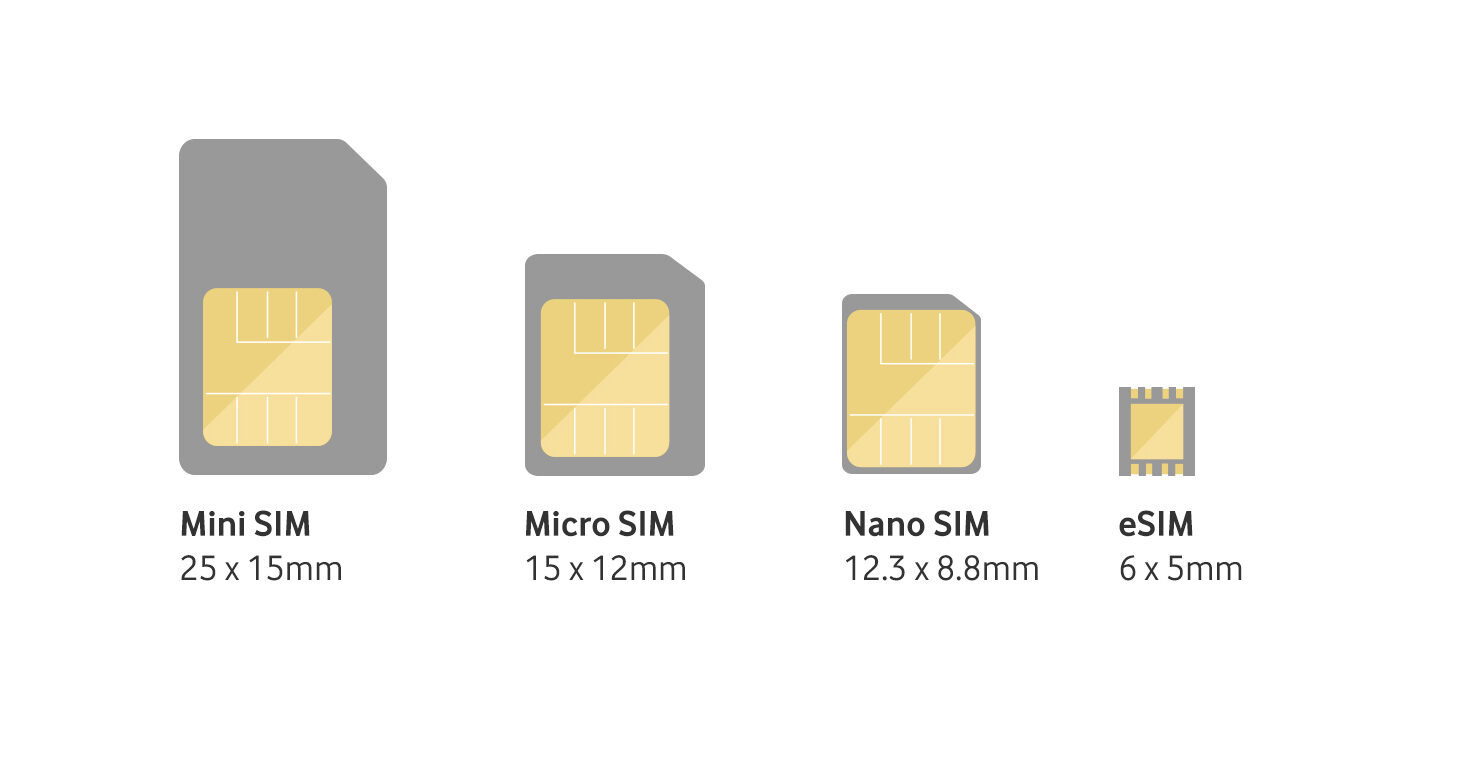
What Makes an eSIM Different from a Physical SIM Card
Unlike a physical SIM, an eSIM is a tiny chip soldered directly into your phone, so there’s no plastic card to swap, lose, or fumble with. For a prepaid travel eSIM, this means you can buy, download, and activate a data plan in minutes—often before you even leave home—without hunting for a local shop. Switching between carriers becomes a software tap rather than a hardware chore, and you can store multiple profiles, keeping your home number active alongside a travel one. With a physical SIM, you’re locked into whichever card you insert, but an eSIM lets you sideload new plans dynamically as you cross borders.
Q: What makes an eSIM different from a physical SIM card in practice? A: You scan a QR code or enter a code to install it, then toggle profiles in settings—no tray, no waiting for delivery, and no risk of damaging a nano-SIM while switching devices.
The Real Cost Difference: Prepaid Plans vs. Postpaid Roaming
The real cost difference between prepaid plans and postpaid roaming becomes obvious the moment you land. Postpaid roaming charges daily fees or per-MB rates that quietly inflate your bill; prepaid eSIMs lock in a flat, upfront price for a set data allowance. You pay once, and there are no surprise line items for “network access” or “international data sessions.” With postpaid, you might pay $10–$15 per day for limited data, while a prepaid eSIM often covers a full week for the same price with more gigabytes. Prepaid eSIM pricing eliminates roaming bill shock because usage is capped and transparent, whereas postpaid billing layers on taxes and carrier markup. For budget control, prepaid wins outright.
How a Prepaid eSIM Actually Works on Your Phone
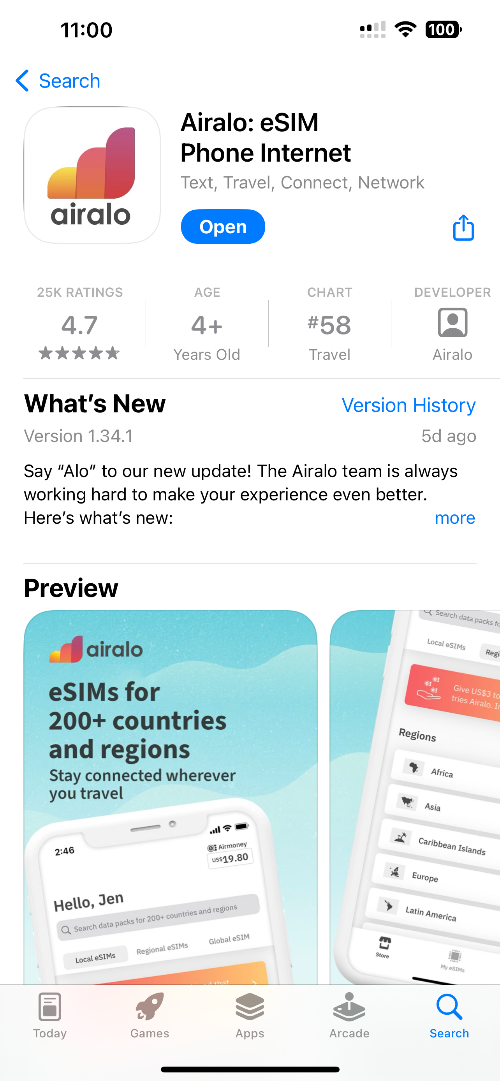
A prepaid eSIM works by storing your carrier profile digitally on your phone’s built-in eSIM chip, replacing a physical SIM card. When you purchase a prepaid eSIM package, you receive a QR code or activation code; scanning it downloads the profile directly to your device. Your phone then connects to the carrier’s network using the prepaid allowance you’ve already paid for—no contract or postpaid billing involved. In settings, you can manage this profile, monitor remaining data, and switch between it and your primary SIM. Because the profile is stored locally, how a prepaid eSIM actually works on your phone depends on eSIM-compatible hardware. Crucially, prepaid eSIM activation is instant, and your data usage is deducted in real time from your balance, with service pausing once the allowance is exhausted.
QR Code Activation and Instant Setup in 5 Minutes
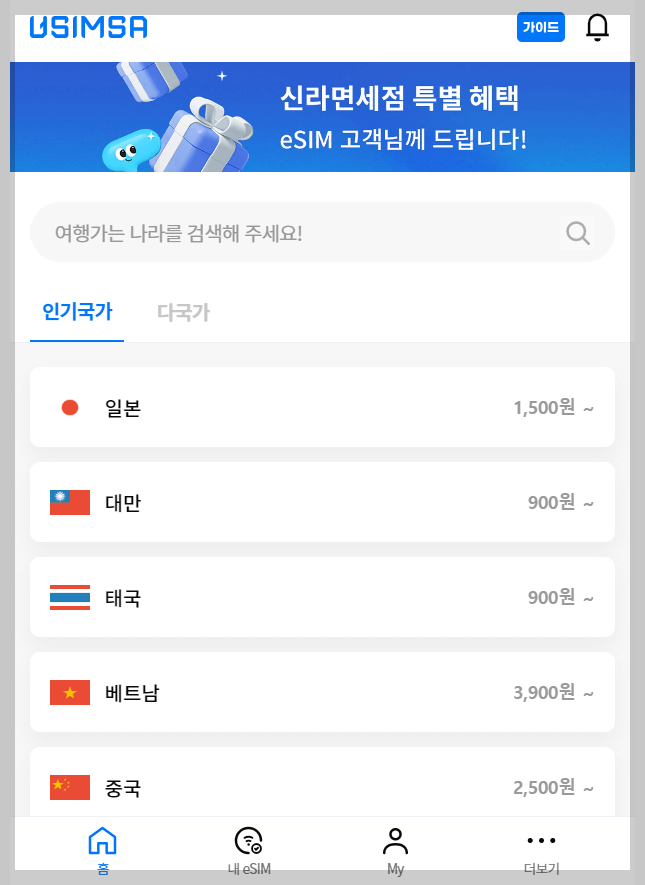
Your prepaid eSIM activates the moment you scan its unique QR code, eliminating physical SIM trays entirely. Within **five minutes of instant setup**, you’ll have a live data connection—no carrier store visits or ID checks needed. Simply photograph the QR code from the confirmation email, let your phone’s camera recognize it, and approve the profile installation. The eSIM’s bundled data plan immediately syncs to your device’s network settings, so you can browse, call, or hotspot right away. Most users complete activation before their coffee cools, even abroad. No waiting for SMS confirmations or manual APN tweaks—scan, approve, and connect.
Q: Will my QR code expire during the 5-minute setup window?
A: No, prepaid eSIM QR codes remain valid for weeks after purchase, though clock starts only upon scanning—you control when activation happens.
Dual SIM Functionality: Keeping Your Home Number Active
With a prepaid eSIM, you don’t have to sacrifice your usual number for travel data. Your phone’s Dual SIM functionality lets the eSIM handle your new prepaid data plan while your physical SIM keeps your home number active for calls and texts. You can set which line gets used for what—perhaps data on the eSIM and your home number for iMessage or WhatsApp verification. Just be aware that your home SIM might still incur roaming charges for cellular calls, so using Wi-Fi calling over the eSIM’s data connection is a clever way to keep that line truly free.
Choosing the Right Prepaid Data Plan for Your Trip
Picking a prepaid eSIM for your trip comes down to matching the plan to your actual habits, not just the cheapest gigabyte count. Start by checking your destination’s coverage map, then compare the **prepaid data plan** durations—a 7-day pass is pointless if you’re away for two weeks. For light users who only need maps and messaging, a 1–3 GB allowance works fine, but streamers or remote workers should lean toward 10 GB or unlimited options to avoid top-up stress. Also, verify whether the plan supports hotspot tethering if you need laptop access. Finally, buy from a provider that lets you install the eSIM before departure, so you’re connected the second you land without hunting for Wi-Fi. That’s the real key to choosing the right prepaid data plan for your trip.
Data Allowance vs. Validity Period: What to Prioritize
When choosing a prepaid eSIM, the tension between data allowance and validity period hinges on your trip’s rhythm. For a 3-day city break with heavy navigation and social uploads, a smaller allowance (e.g., 5GB) with a tight validity window prevents paying for unused days. Conversely, a 14-day itinerary with sporadic usage favors a longer validity period, even if you buy less data, because expired validity wastes your entire allowance. *A common error is buying 20GB for 30 days when you only need 10GB across 10 days—the leftover data is worthless after day 30.* Prioritize validity first if your schedule is fixed; prioritize allowance first only if you know your daily consumption is high and your trip is short.
For prepaid eSIMs, match the validity period to your exact travel dates first, then select the smallest data allowance that covers your daily habits—never overbuy data if the validity will expire before you use it.
Regional Plans vs. Global Coverage: Which Saves You More
When comparing regional plans versus global coverage, your itinerary dictates the math. A regional eSIM—covering clusters like Europe or Southeast Asia—typically costs 30–50% less per gigabyte than a worldwide package because carriers negotiate cheaper roaming within neighboring zones. If you stay in one region, regional saves clearly. However, hopping across continents, a global plan eliminates the need to buy multiple regional eSIMs, which carry activation fees that erode savings. For multi-destination trips exceeding ten days, global coverage often wins despite higher per-GB rates. Yet for a single-country focus, regional’s lower base price is unbeatable. Regional plans maximize value only when your route stays geographically compact.
Q: When does global coverage cost less than regional? A: When you visit three or more distinct regions—e.g., Japan, Brazil, and Kenya—because separate regional eSIMs add $5–$10 in setup charges each, plus mid-trip reconfiguration time, tipping the total over one global plan’s flat fee.
Top Features to Look For in a Prepaid eSIM Provider
When evaluating a prepaid eSIM provider, prioritize transparent data pricing with no hidden throttling after a set threshold—your plan should state exact speeds and usage caps upfront. Look for instant eSIM delivery via email or QR code, avoiding providers that require physical SIM shipping or lengthy verification delays. Multi-country coverage is critical for travelers, but confirm your destination’s networks are native partners, not roaming-only, to ensure stable signal. A user-friendly management app that lets you top up, switch plans, and monitor remaining data in real time separates top providers from average ones. Finally, verify customer support availability—chat or email responsive within hours, not days. The best prepaid eSIM features combine flexible plan lengths, immediate activation, and zero surprise fees, giving you control and connectivity on your terms.
Speed Throttling Policies and Fair Use Limits Explained
Before you buy, peek at the fine print for **speed throttling policies and fair use limits explained** in plain terms. Many prepaid eSIMs advertise “unlimited” data, but that usually means a soft cap—after hitting a set gigabyte threshold, your speeds drop to 2G or 3G, making web browsing painfully slow. Check if the throttle is a hard cut or a gentle slowdown, and whether it resets daily or monthly. Fair use limits also matter for tethering; some plans restrict hotspot speeds separately, so your laptop won’t get the same fast lane as your phone. Compare two providers below.
| Aspect | Provider A | Provider B |
| Throttle trigger | After 20 GB | After 10 GB |
| Throttled speed | 1 Mbps | 0.5 Mbps |
| Tethering limit | Same as data | 5 GB separate |
Tethering and Hotspot Support on Budget eSIMs
On budget prepaid eSIMs, tethering and hotspot support often varies by provider, so verify terms before purchase. Many low-cost plans restrict hotspot data to a slower speed tier or cap the total tethered volume separately from on-device usage. Check if the eSIM allows sharing across multiple devices simultaneously, as some budget options limit connections to one gadget at a time. Also, confirm whether tethering consumes the same high-speed allowance or routes through a lower-priority network during congestion. For frequent laptop users, prioritize providers that explicitly list hotspot access as “unlimited” or “included,” since a few budget eSIMs silently disable this feature entirely. Finally, test the tethering feature during the activation window to avoid post-purchase surprises.
Customer Support and Top-Up Options When You Run Out
When evaluating prepaid eSIM providers, **emergency top-up reliability** and support accessibility are critical. Before depletion, verify whether the provider’s app or web portal allows instant balance replenishment via credit card, PayPal, or local payment methods, and confirm if partial top-ups are possible versus forcing a new plan purchase. Test the speed of reactivation: a poor provider delays data restoration for hours, while a strong one reconnects within minutes. Also, check if support is 24/7 via live chat or WhatsApp, since running out often happens abroad during off-hours. Proactive balance alerts via SMS or push notifications prevent dead-air scenarios, letting you recharge before full cutoff.
Q: What happens if I run out of data at midnight in a foreign country?
A: Reliable providers offer instant top-up processing and a 24/7 human agent—avoid those relying only on email, as you will face unreachable support until morning.
Common Mistakes to Avoid When Using a Prepaid eSIM
A primary mistake is failing to install the eSIM profile before departing, leaving you without a connection upon arrival. Another common error is assuming the data plan activates immediately; some prepaid eSIMs require a manual activation or only begin upon connecting to a local network. Users often overlook device compatibility, forgetting that their phone must be carrier-unlocked and support eSIM technology. Furthermore, many travelers mistakenly delete the eSIM profile to “save” it, which permanently invalidates the unused data. To sidestep these pitfalls, always verify the coverage map for your destinations and confirm the plan’s expiration date. Finally, avoid purchasing a prepaid eSIM with excessive data, as unused allowances are typically non-refundable. Carefully reading the provider’s instructions mitigates most prepaid eSIM activation problems and prevents common data plan mistakes.
Installing Before You Leave vs. After You Land
Deciding between installing your prepaid eSIM before departure versus after landing hinges on connectivity timing and activation requirements. Installing before you leave allows the profile to pre-download, but many providers only begin the validity timer upon first network connection, meaning early installation risks wasting days if activation triggers automatically. Conversely, installing after arrival avoids this pitfall but demands a stable airport Wi-Fi connection—often unreliable or requiring SMS verification, which you cannot receive without a local network. For eSIMs requiring activation codes sent via SMS, you *must* install before departure to receive that message while your primary SIM still works. Pre-activation also enables offline profile configuration, preventing panic at customs.
- Check your provider’s activation trigger: “immediate upon install” vs. “upon first network scan” to avoid burning days early.
- If your phone requires a QR code, download it as a screenshot before leaving—airport Wi-Fi rarely supports large downloads.
- For multi-country trips, install the first region’s eSIM before departure to ensure seamless activation at your initial entry point.
- Keep your primary SIM active until you land; remove it only after connecting to Wi-Fi to prevent accidental data roaming charges.
Managing APN Settings Manually
One common mistake with prepaid eSIMs is manually altering APN settings without verifying the carrier’s exact parameters. Incorrect entries—such as a misplaced lowercase letter or a missing proxy—can sever data connectivity entirely, even when the eSIM profile appears active. Instead of guessing, you should first confirm the correct APN from the provider’s official setup guide, as prepaid eSIMs often pre-configure this automatically. If you must edit manually, change only the required field, leave authentication type as default unless specified, and save before testing a page load. APN mismatches are the leading cause of zero-data errors after manual edits, so revert to “default” or “restore” if connectivity fails.
Manual APN edits on a prepaid eSIM work only when you copy carrier-exact values and test incrementally; otherwise, revert to the preloaded configuration.
What to Do If Activation Fails at the Airport
If your prepaid eSIM fails to activate at the airport, don’t panic—first, toggle airplane mode on and off to force a network refresh, then manually select your carrier under cellular settings. If the QR code or manual entry still errors, check that your device isn’t locked to a specific region or carrier; a quick restart often clears the glitch. For persistent issues, connect to airport Wi-Fi and re-download the eSIM profile from your provider’s app, as a corrupted install is common mid-travel. *Only as a last resort should you buy a physical SIM locally, since most providers refund unused eSIMs if you contact support within hours.*
Airport activation failure often stems from missing a required APN field, so double-check your provider’s setup instructions for that entry.
**Q: What to Do If Activation Fails at the Airport?**
A: Head to your provider’s live chat (via Wi-Fi) immediately—they can push a fresh profile to your device within five minutes, avoiding any wasted travel time.